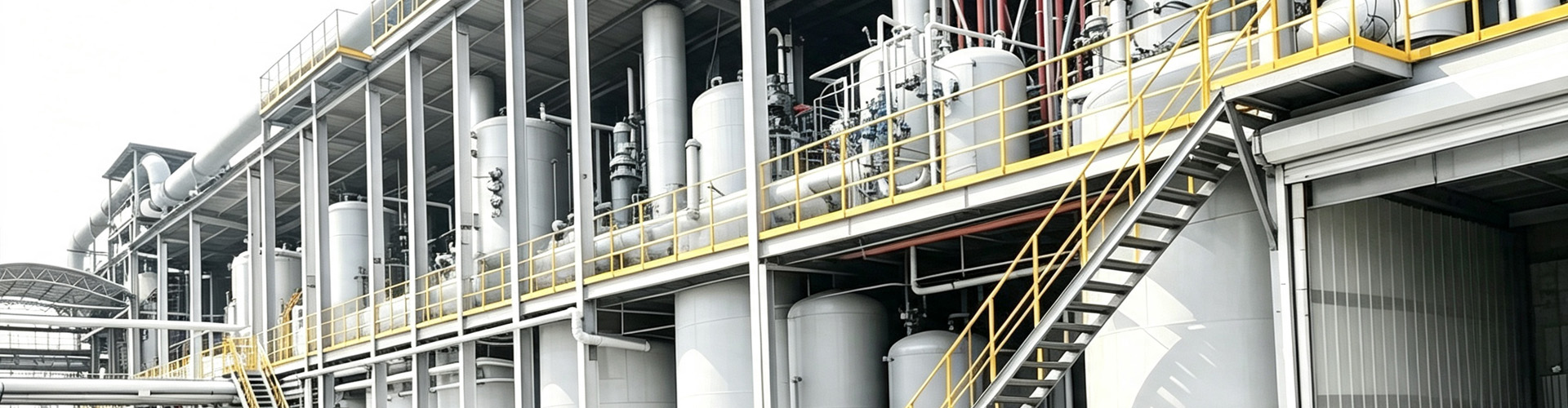
Ingenuity in Manufacturing, Striving for Perfection
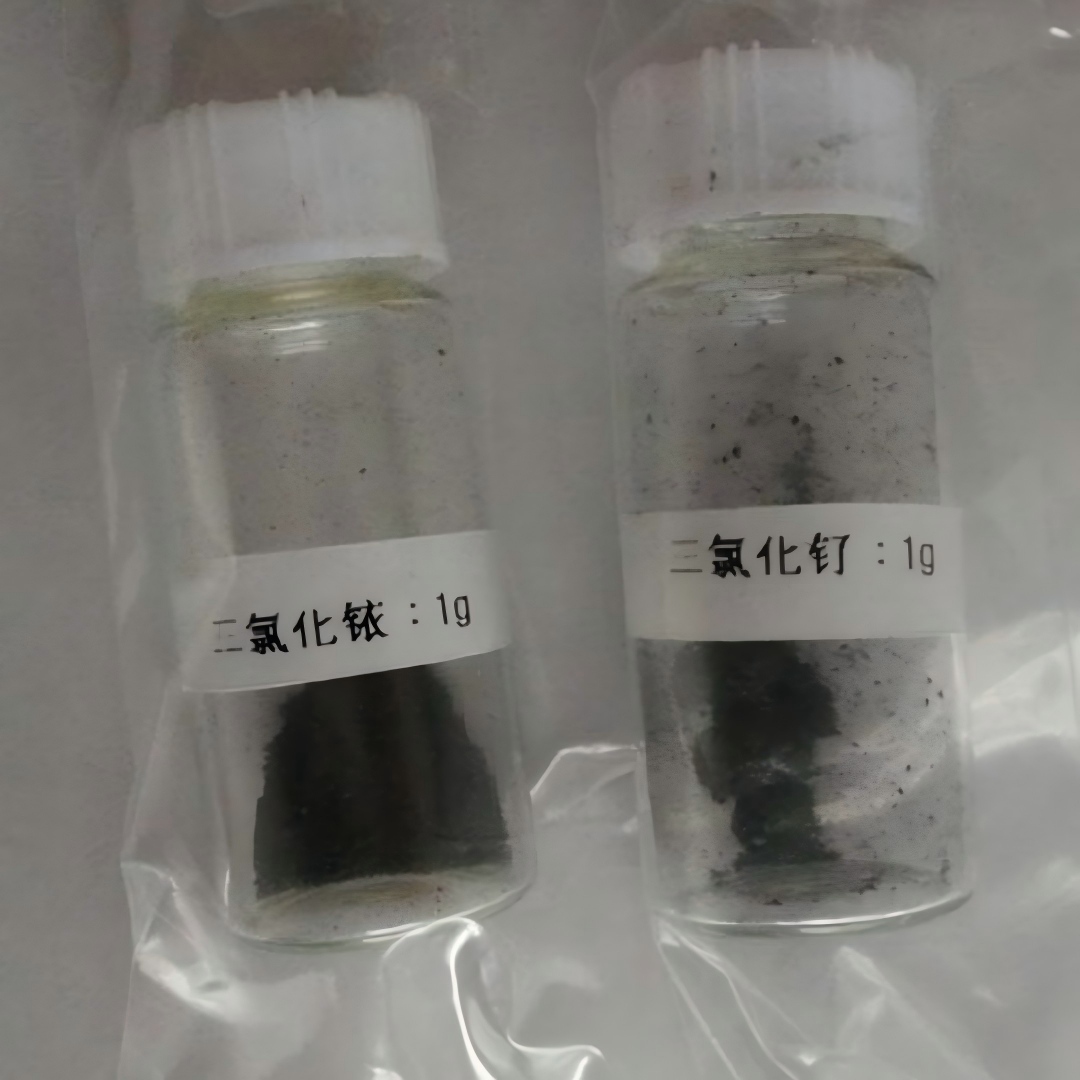
Chemical Name:RUCL3/Ruthenium(iii) chloride hydrate
CAS No.:14898-67-0
MF: Cl3H2ORu
MW:225.44
EINECS:604-667-4



Items | Standard |
Ru | 37% |
Fe | <0.002% |
Pt | <0.001% |
Ni | <0.001% |
Au | <0.001% |
Cu | <0.0005% |
Ag | <0.0005% |
AI | <0.003% |
Ir | <0.001% |
Ni | <0.001% |
Pb | <0.001% |
RUCL3/Ruthenium(iii) chloride hydrate can serve as a desiccant, adsorbent, or catalyst support; it is frequently used in heterogeneous or homogeneous catalysis, and also functions as a catalyst for oxidation reactions—for instance, in electroplating, at electrolytic anodes, or in processes involving oxidizing agents.
1. Fine Chemicals & Pharmaceutical Organic Catalysis (Largest Consumption Scenario)
Synthesis of various ruthenium homogeneous catalysts
Preparation of Grubbs catalysts, triphenylphosphine ruthenium chloride, etc., for olefin metathesis, asymmetric hydrogenation, selective alcohol oxidation, and C-H activation reactions; specifically for the synthesis of pharmaceutical intermediates, high-end fragrances, and polymer monomers, with mild reactions, high selectivity, and few byproducts.
Hydrogenation/Oxidation Industrial Catalysis
Supported ruthenium-carbon catalyst precursors for petrochemical hydrodesulfurization, sugar hydrogenation to polyols, and phenolic wastewater degradation; highly efficient treatment of high-COD organic wastewater.
New Drug Development Catalysis
Synthesis of ruthenium-based anticancer complexes for use as laboratory reagents in antitumor drugs and peptide biomolecule synthesis.
2. Electrolysis Industry DSA Titanium Anode Coating (Essential Industrial Consumable)
Preparation of ruthenium dioxide/ruthenium-iridium composite coated titanium-based size-stabilized anodes (MMO anodes), a core raw material in the electrolysis industry:
Chlor-alkali industry: Electrolysis of saturated brine to produce caustic soda and chlorine;
Green hydrogen new energy: PEM anode coating for water electrolysis to produce hydrogen and oxygen, significantly reducing electrolysis energy consumption;
Water treatment: Electrolytic oxidation of industrial wastewater, sodium hypochlorite generators, pool disinfection chlorination machines, ozone generation electrodes;
Metallurgical electrolysis, metal purification anode coating.
3. Precious Metal Ruthenium Plating (Precision Electronics/Aerospace)
Preparation of ruthenium plating electrolytes, resulting in coatings with high hardness, wear resistance, acid and alkali resistance, low resistance, and oxidation resistance:
Semiconductors, 5G communication connectors, chip probes, miniature conductive contacts;
Aerospace high-temperature instruments, RF devices, precious metal alloy coatings;
Precision medical devices, metrological standard accessories anti-corrosion conductive coatings.
4. New Energy Optoelectronic Materials
Solar Cells: Photosensitizers for dye-sensitized solar cells; dopants for electron transport layers in perovskite solar cells, improving photoelectric conversion efficiency and stability;
Fuel Cells: Catalytic coatings for PEM proton exchange membrane fuel cell electrodes;
Ruthenium-based nanocatalytic precursors for zinc-air batteries and supercapacitors.
5. Electronic Semiconductors and New Materials
Chip Manufacturing: Ruthenium barrier layer thin film deposition precursors to prevent copper wiring diffusion;
Preparation of high-purity metallic ruthenium and ruthenium-based high-temperature and corrosion-resistant special alloys;
Raw materials for the synthesis of magnetic materials, sensors, and superconducting materials;
High-end optical glass and ceramic colorants.
6. Laboratory Analytical Reagents
Standard reagents for coordination chemistry and electrochemical analysis, used for metal ion complexation titration, catalytic mechanism research, and as raw materials for the synthesis of nano-ruthenium particles.
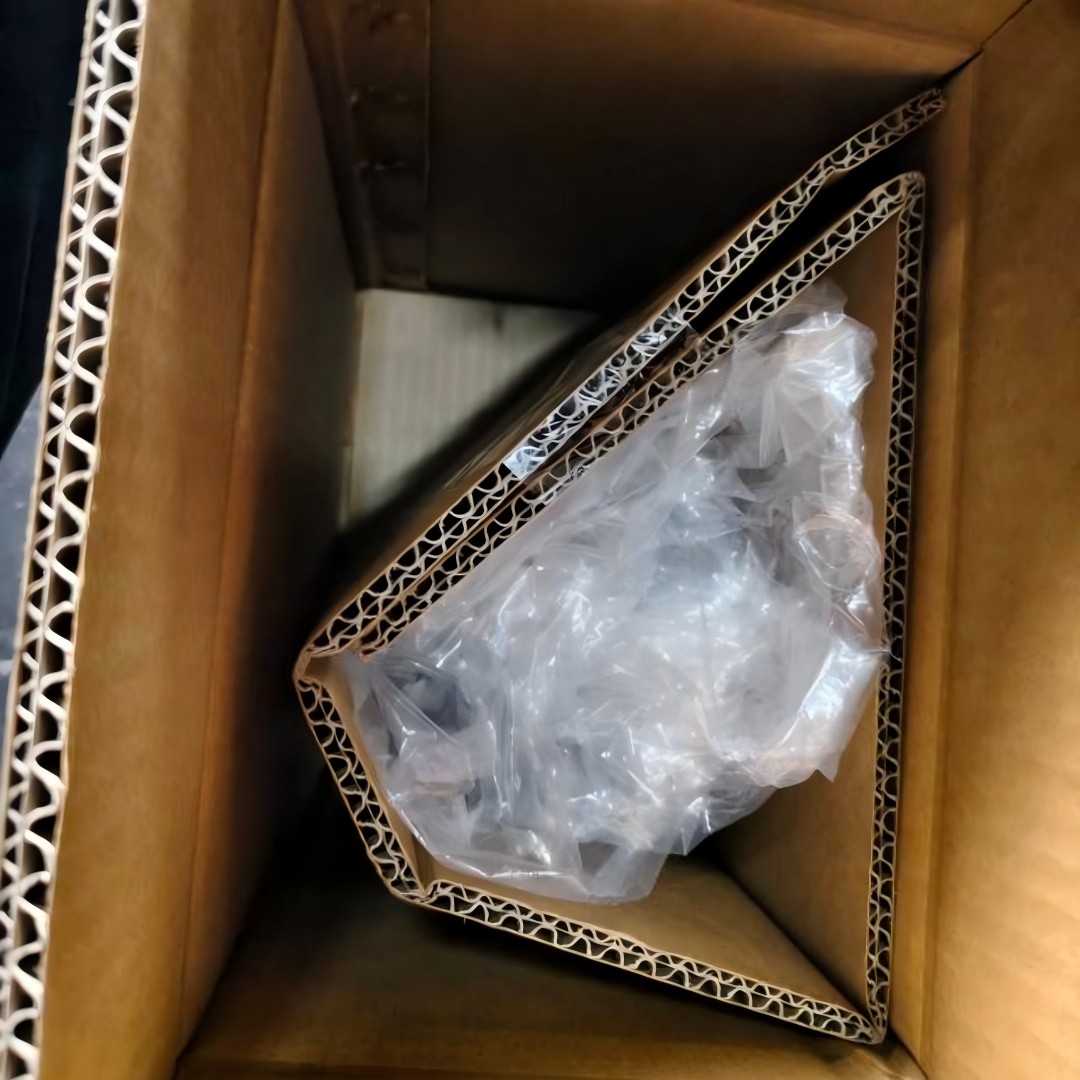
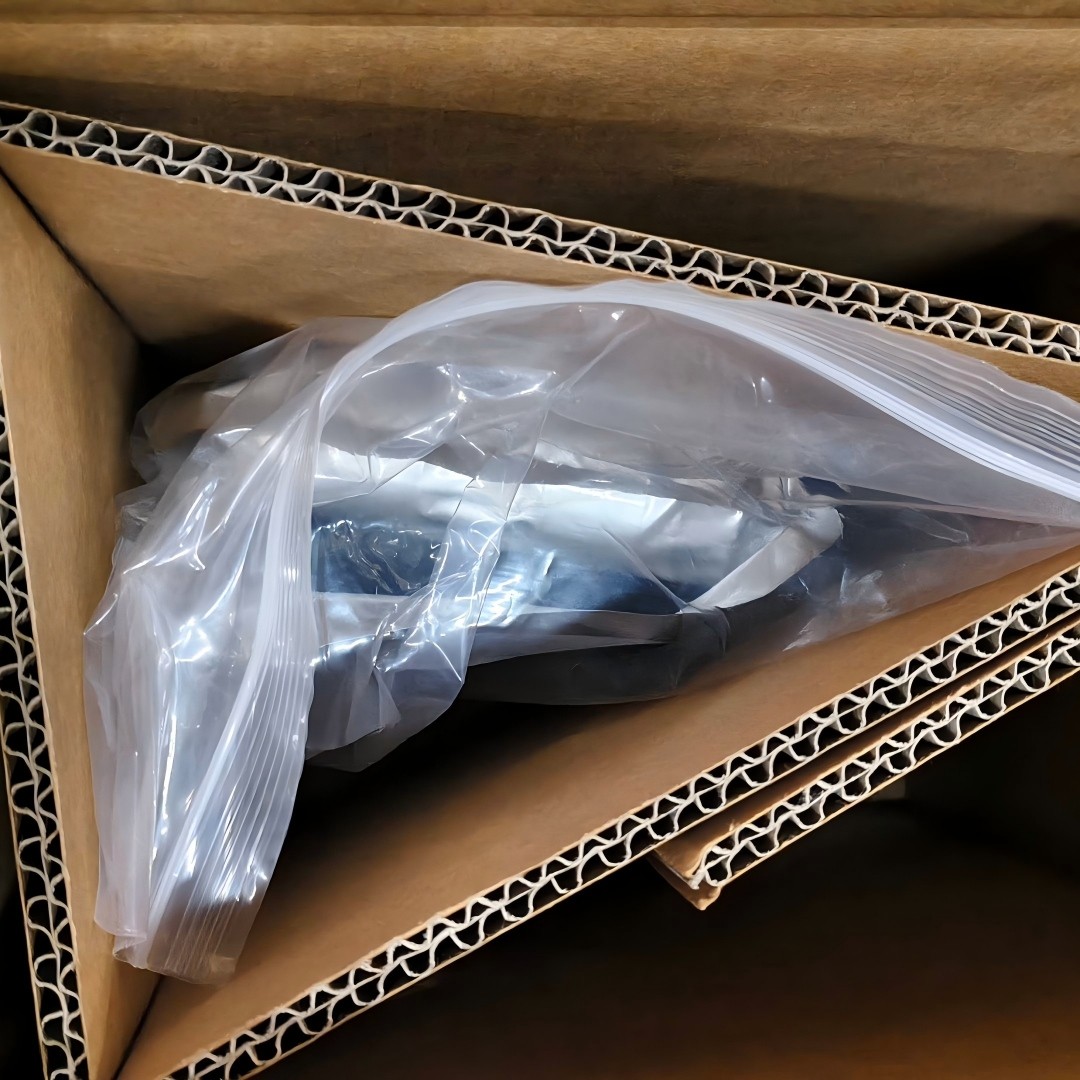
Packing:Bottle package,OEM package
Delivery:Within 10 days once got your payment
Storage:Stored in a cool dry place out of direct sunlight.



A professional and strong exporter in chemical field-sincere, expert, and dedicated to superior service.
Tel: +86-531-8851 1769
E-mail: info@joylichem.com
Add: Provincial-Level Chemical Industrial Park in Shandong Province